
Tablet Excipients: Binders, Disintegrants, Lubricants
A practical guide to tablet excipients: fillers, binders, disintegrants and lubricants, with examples such as PVP K30, MCC and magnesium stearate.
· UniPharma
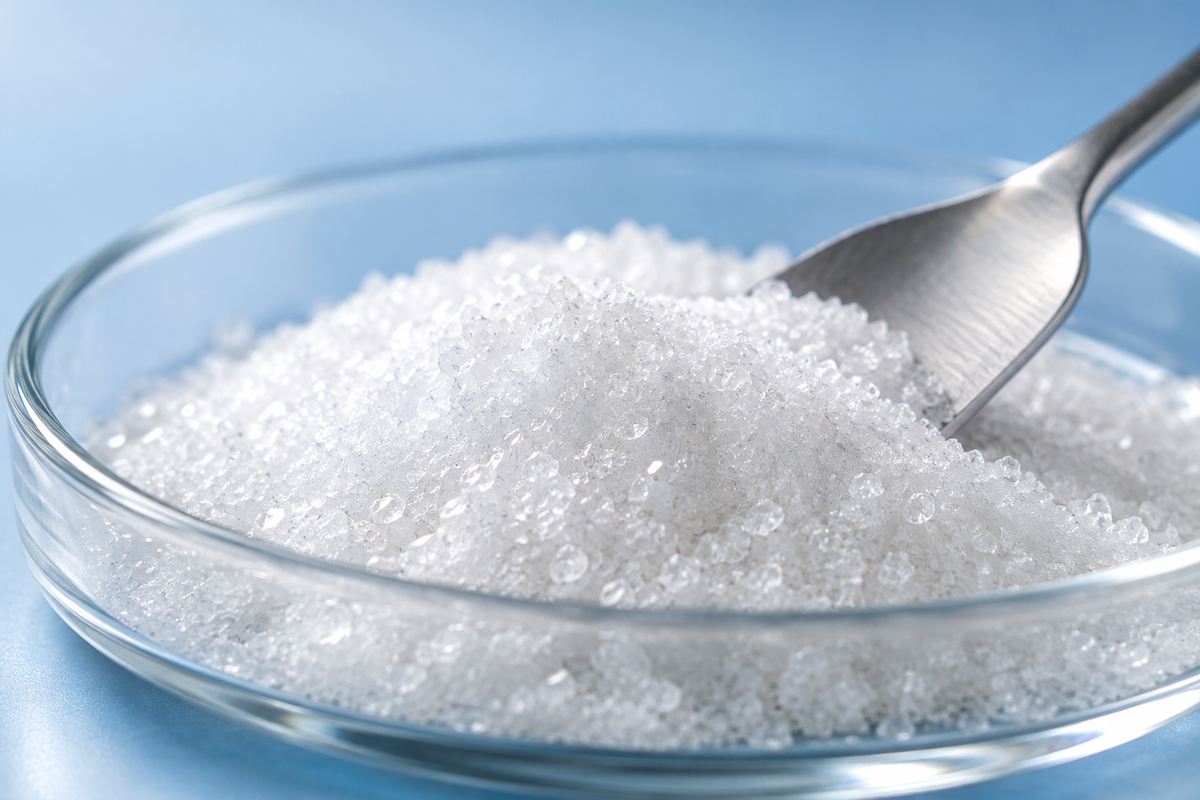
A tablet formula usually combines a filler for bulk, a binder for strength, a disintegrant for breakup, and a lubricant or glidant for smooth processing. Typical choices include MCC, lactose or mannitol; PVP K30 or HPMC; croscarmellose sodium or sodium starch glycolate; and magnesium stearate with colloidal silica.
Why tablet formulas need several excipients
Compressing powder into a tablet looks simple, yet the powder has to flow into the die, hold together under pressure, release from the punches and then fall apart in the patient. No single material does all four jobs, so formulators combine roles. The right mix also depends on the route: direct compression, wet granulation or dry granulation.
Fillers and diluents
Fillers make up most of the tablet weight when the dose is small.
- MCC 101 / 102: compressible and also acts as a dry binder. Grade 102 is the coarser grade and generally flows better, which helps in direct compression.
- Lactose (anhydrous or monohydrate): widely used and well characterised, but check compatibility with amine-containing actives.
- Mannitol: mildly sweet and not very hygroscopic, which suits chewable and moisture-sensitive products.
- Maize starch: an economical filler that also helps disintegration.
Binders
Binders give the granules or tablet mechanical strength. PVP K30 is a common wet-granulation binder that dissolves easily. HPMC, ethyl and methyl cellulose, pre-gelatinized starch, gelatin and gum acacia are alternatives with different strength and dissolution profiles. Too little binder gives friable tablets; too much can slow disintegration, so the level is found by trial.
Disintegrants
A disintegrant draws water in and breaks the tablet into particles so the active can dissolve. Croscarmellose sodium and sodium starch glycolate (type A or B) are the usual super-disintegrants and work at low levels. Starch is the traditional option. Where they are added, intra-granular, extra-granular or split, changes how they perform.
Lubricants, glidants and coatings
Magnesium stearate prevents sticking and lowers ejection force. It is hydrophobic, so over-blending can soften tablets and slow dissolution; blend it last and briefly. Sodium stearyl fumarate is a less hydrophobic alternative. Aerosil (colloidal silica) improves powder flow as a glidant.
After compression, tablets may be film- or enteric-coated using polymers such as methacrylic acid copolymers with a plasticiser like triethyl citrate. See our coating raw materials and tablet and capsule excipients.
Direct compression or granulation
The process route changes which excipients make sense. In direct compression, powders are blended and pressed, so flow and compressibility of the filler matter most; MCC and certain grades of mannitol or lactose are favoured. In wet granulation, a binder solution such as PVP K30 is sprayed onto the powder, dried and milled, which suits actives with poor flow or low dose.
Dry granulation, or roller compaction, avoids water and heat and suits moisture-sensitive actives, but it relies on binders that compact well.
- Check the moisture content of every excipient before blending, because starch and MCC absorb water readily.
- Keep the lubricant for the final blending step and control the time.
- Run a dissolution test on each trial, not only hardness and friability.
- Record the exact grade and supplier in the batch record so results can be reproduced.
Many formulation failures are traced back to a grade change that nobody recorded, so write the grade name on every document.
If you are moving a product between sites or scales, ask your supplier to confirm particle size, bulk density and moisture for the grade in question. These three properties explain most of the differences between a successful pilot batch and a disappointing production run. Where several grades of the same excipient exist, agree in writing which one belongs to your formula, and keep a retained sample of each lot so any later question can be answered with data rather than memory.
FAQ
Which binder should I start with?
PVP K30 and HPMC are common starting points for wet granulation. The final choice depends on your active, your process and the dissolution target.
Why is my tablet capping or laminating?
Common causes include too little binder, too much fines, over-lubrication or excessive compression force. Review the formula and the process together.
Is more disintegrant always better?
No. Beyond an effective level, extra disintegrant adds cost and can hurt hardness without improving breakup.
Can I get all of these from one supplier?
Yes, you can list them in one inquiry with grade and quantity, and we will quote them together.
Building or reformulating a tablet? send us your inquiry with your excipient list and we will respond with availability and terms.
Read next
 Detergent Raw Materials: Thickeners and ChelatorsA detergent is more than surfactant. Here is what thickeners, chelators, pH adjusters and preservatives add to a cleaning formula.Vitamin and Nutraceutical Raw Materials ChecklistVitamins and probiotics are sensitive ingredients. This guide lists what formulators verify before they approve a raw material.
 Water Treatment Chemicals: Biocides, Antiscalants, PACWater treatment chemicals each solve a different problem. This overview explains biocides, antiscalants, coagulants and bleaching powder.
Need this material?
Send your list and quantities — we reply with a written quotation.