
Detergent Raw Materials: Thickeners and Chelators
Learn how thickeners such as sodium polyacrylate, chelators such as EDTA and sodium gluconate, and preservatives work together in a detergent formula.
· UniPharma
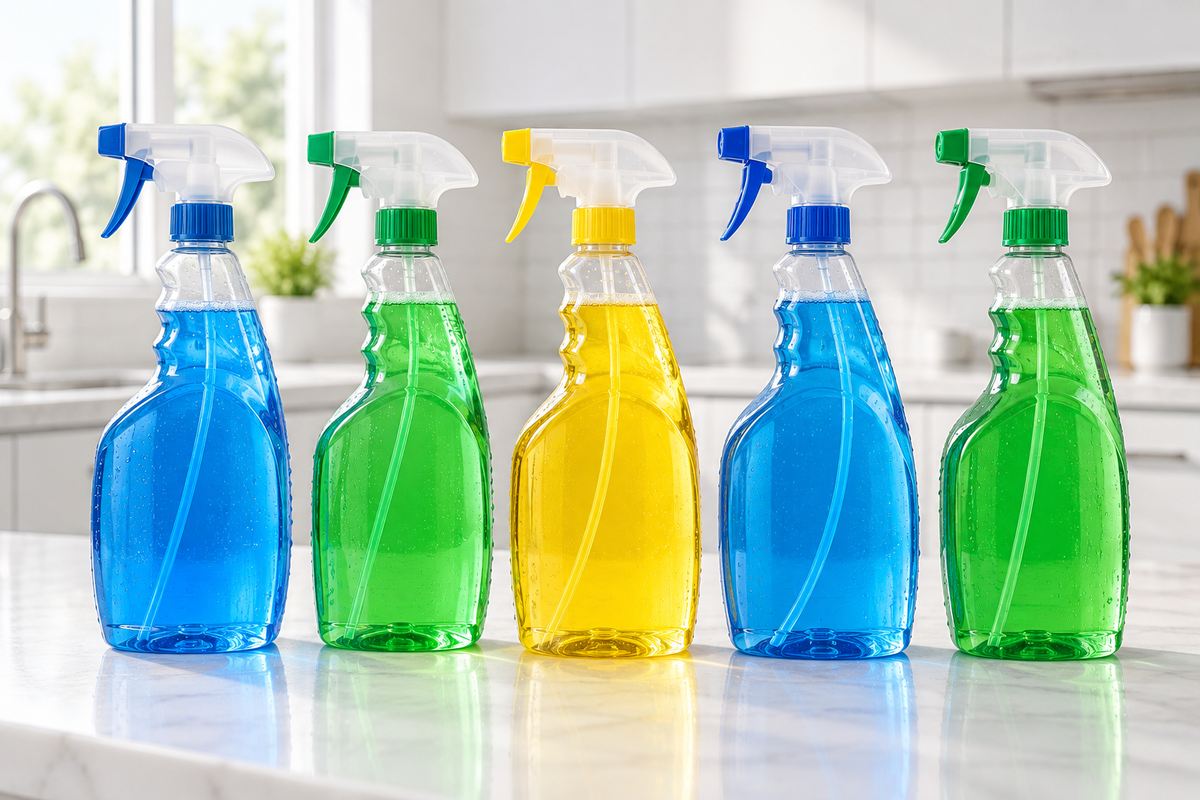
A cleaning product combines a surfactant base with supporting ingredients: thickeners for viscosity, chelators such as EDTA and sodium gluconate to handle hard water, pH adjusters, conditioning or pearlising additives, and preservatives. Each one has a specific job and should be chosen with the others in mind.
The formula behind a clean bottle
The surfactant base does the cleaning, but it is the supporting ingredients that make a product usable: stable, pourable, good looking, effective in hard water and safe on the shelf. Understanding each role makes it easier to troubleshoot a formula and to write a precise inquiry.
Thickeners and structure
Viscosity is a customer expectation as much as a technical property. Sodium polyacrylate is a polymer used to thicken and structure water-based systems and to help disperse particles. An acid thickener is another route for acidic cleaners. Ethylene glycol monostearate and distearate (EGMS and EGDS) give a pearlescent look to shampoos and liquid soaps, and polyglycerol stearate supports emulsion structure. Glycerine adds mildness and moisture retention in personal-care products.
Chelators and builders
Hard water carries calcium and magnesium that reduce cleaning power and leave deposits. Chelators bind these metal ions. EDTA in its acid, disodium and tetrasodium salt forms is a long-established chelating agent. Sodium gluconate is valued for its performance in strongly alkaline conditions and is also used in industrial cleaning. Which one you pick depends on pH, dosage economics and any regulatory preference in your market.
pH adjusters and conditioning polymers
Triethanolamine (TEA) is used to neutralise and adjust pH, and caustic soda serves heavy-duty alkaline products; both require careful handling and the safety data sheet. For shampoos and conditioners, cationic polymers such as polyquaternium-7, polyquaternium-10 and guar hydroxypropyltrimonium chloride improve feel and conditioning. Browse the cosmetic and cleaning raw materials for these items.
Preservation and next steps
Water-based cleaners can support microbial growth, so most need a preservation system. Sodium benzoate and benzyl alcohol are among the preservative options on our lists, and the right choice depends on pH and the surfactant system. Check applicable regulations for your market. Once the formula is ready, our manufacturing and filling service can blend and fill the product to your pack size on request.
Troubleshooting a cleaning formula
Most problems in a liquid cleaner can be traced to a few causes, and a methodical approach saves many trials. Change one variable at a time, record the batch and measure pH and viscosity at each step.
- Too thin: check the thickener level, the salt level and the temperature of the measurement.
- Cloudy or separating: look for incompatible ingredients, wrong order of addition or insufficient structuring.
- Weak in hard water: consider a chelator or adjust the chelator level.
- Unwanted smell over time: review the preservation system and the cleanliness of the process.
- Skin or fabric concerns: review pH and the choice of mild co-ingredients such as glycerine.
Keep a reference sample of every approved batch and retest it periodically so you can compare ageing with the original. Once the formula is stable, document the order of addition, mixing time and temperature so that production reproduces the bench result. Whenever you change a raw material grade or supplier, repeat a short stability check before releasing the new batch to market.
Write a simple specification sheet for each approved raw material, including grade, supplier and storage notes, and attach it to the formula. When a batch behaves differently, you can then check ingredient by ingredient. This routine is inexpensive and prevents repeated trial runs, particularly when several people share the same formula or when production moves to a contract filler.
FAQ
Do I always need a chelator?
If your product is used in hard water or contains metal-sensitive ingredients, a chelator helps. For other uses it may be unnecessary.
What controls viscosity?
Thickeners, the surfactant system and salts all interact. Adjust them together and test at the target temperature.
Why does my formula separate?
Common causes are incompatible ingredients, wrong pH, or insufficient structuring agents. A bench trial identifies the cause.
Can you quote the full list at once?
Yes. Send every material with grade and quantity and we will quote them together.
Developing a cleaning product? send us your inquiry with your ingredient list and volumes.
Read next
 Vitamin and Nutraceutical Raw Materials ChecklistVitamins and probiotics are sensitive ingredients. This guide lists what formulators verify before they approve a raw material.
 Water Treatment Chemicals: Biocides, Antiscalants, PACWater treatment chemicals each solve a different problem. This overview explains biocides, antiscalants, coagulants and bleaching powder.
 QC Lab Consumables Checklist and Purchasing TipsRunning out of a small item can stop a whole test run. Use this checklist and consolidate your lab purchasing.
Need this material?
Send your list and quantities — we reply with a written quotation.