
Vitamin and Nutraceutical Raw Materials Checklist
Formulators check identity, form, stability and documentation when choosing vitamin C, B12, K2, CoQ10 and probiotics. Here is a practical checklist.
· UniPharma
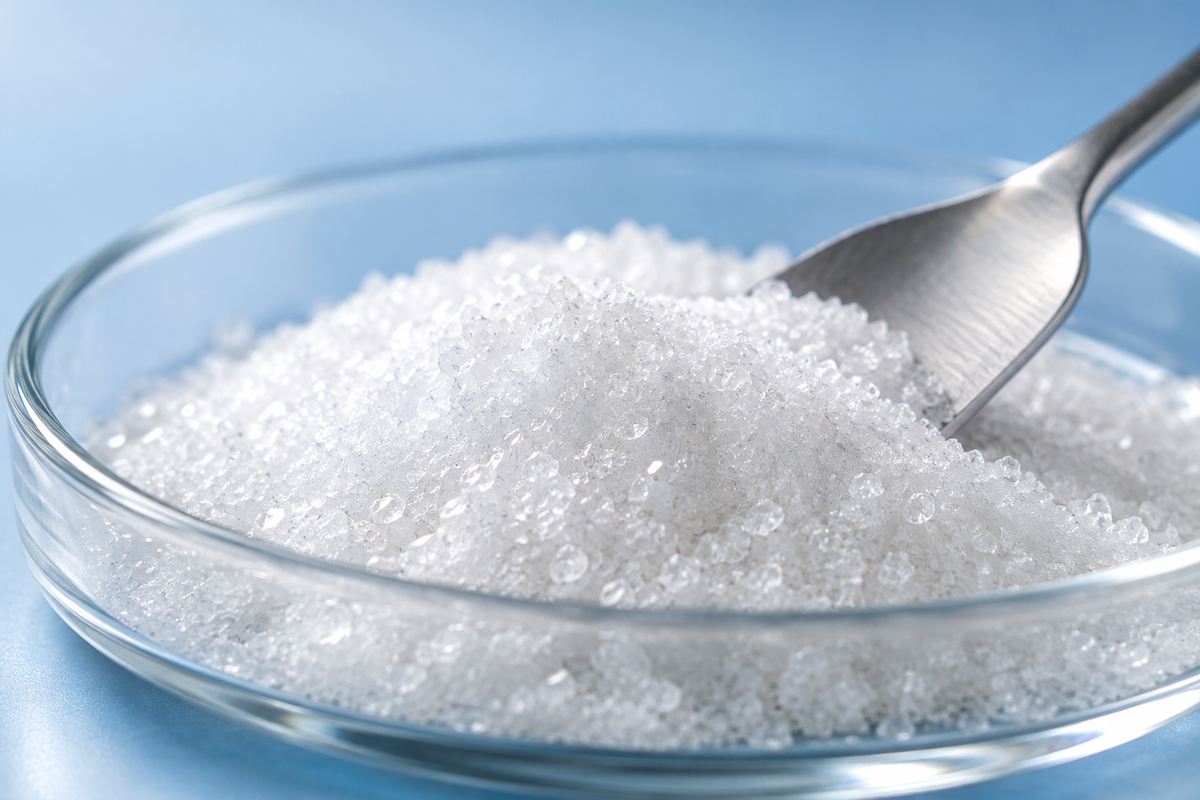
When approving vitamin and nutraceutical raw materials, formulators check the exact form of the ingredient, the assay or potency, stability and storage conditions, particle or carrier form, and the supporting documents. Probiotics add a viable count in CFU that must be understood at the right point in shelf life.
Same name, different form
A vitamin name rarely defines the material. Vitamin B12 may be supplied as methylcobalamin or another form. Vitamin K2 as MK-7 comes as a powder or an oil, at a stated percentage. Vitamin E is available as oil. Always specify the exact chemical form and the physical form, because they change both formulation and label wording.
Common items and what to watch
- Ascorbic acid (vitamin C): easily oxidised, and sensitive to moisture, heat and metal ions. Packaging and low humidity matter.
- Methylcobalamin (B12): known to be light-sensitive, so protect it during storage and processing.
- Vitamin K2 (MK-7): the percentage strength and the carrier (powder or oil) decide how it blends and disperses.
- Coenzyme Q10: fat-soluble with limited water solubility, so the formulation approach and form are important.
- Vitamin E oil, B1, B2 and B6: confirm the salt or ester form and the potency basis.
Probiotics and CFU counts
Probiotic ingredients are quoted in colony-forming units per gram, such as the 200 billion per gram listed for our Bifidobacterium and Lactobacillus items. Formulators ask four questions: the strain identity, the count at release, the count expected at the end of shelf life, and the storage conditions. Moisture and heat reduce viable counts, so water activity and packaging are part of the design.
Documents and consistency
- Certificate of analysis with the assay or count for the specific batch.
- Safety data sheet and storage instructions.
- Specification for appearance, particle size, solubility and loss on drying where relevant.
- Allergen, origin or vegetarian status information if your label needs it.
Consistency from batch to batch is as important as the first sample. Ask for the same specification on repeat orders.
Where to start
See our vitamins and supplements and food and nutraceutical raw materials pages for the names we list. When you inquire, state the form, potency, quantity and the product you plan to make. Claims about health benefits are the responsibility of the brand and are governed by regulation, not by the raw material supplier.
Storage, packaging and shelf life
Sensitive ingredients need a plan for the whole journey: receiving, storage, weighing and blending. Check the supplier recommendation for temperature and humidity, keep original containers closed and minimise time open to air and light.
- Store probiotics as the certificate directs, often cold and dry, and record the temperature of the store.
- Protect light-sensitive materials such as methylcobalamin with opaque packaging.
- Weigh sensitive powders in a controlled area and reseal immediately.
- Use a first-in, first-out system and keep retained samples of each lot.
- Consider desiccants in finished packs for moisture-sensitive formulas.
Finally, remember that a stable raw material does not guarantee a stable finished product. Interaction with minerals, other vitamins, moisture in capsule shells and heat in processing all matter. A stability study on the finished form, under the conditions of your market, is the only reliable answer, and your raw-material supplier should support it with accurate documents and consistent batches.
It is also wise to confirm the intended market early. Regulations on permitted forms, maximum levels and labelling differ between countries, and a raw material that suits one market may need a different form or documentation for another. Raise this question at the start of the project, not at registration.
FAQ
Why do vitamins degrade?
Many are sensitive to oxygen, light, heat and moisture. Good packaging and storage reduce this.
Which CFU figure should I trust?
Ask for the count at release and the expected count at end of shelf life, and design the overage with your regulatory advice.
Can I get both powder and oil forms?
Where listed, for example vitamin K2 MK-7 in powder and oil, state which you need in your inquiry.
Do you provide certificates of analysis?
Tell us the documents you need when you inquire and we will advise what is available for the material.
Formulating a supplement? send us your inquiry with the form, potency and quantity you need.
Read next
 Detergent Raw Materials: Thickeners and ChelatorsA detergent is more than surfactant. Here is what thickeners, chelators, pH adjusters and preservatives add to a cleaning formula.
 Water Treatment Chemicals: Biocides, Antiscalants, PACWater treatment chemicals each solve a different problem. This overview explains biocides, antiscalants, coagulants and bleaching powder.
 QC Lab Consumables Checklist and Purchasing TipsRunning out of a small item can stop a whole test run. Use this checklist and consolidate your lab purchasing.
Need this material?
Send your list and quantities — we reply with a written quotation.