
Water Treatment Chemicals: Biocides, Antiscalants, PAC
An overview of water treatment chemicals: biocides, antiscalants, coagulants such as PAC and bleaching powder, and how to choose.
· UniPharma
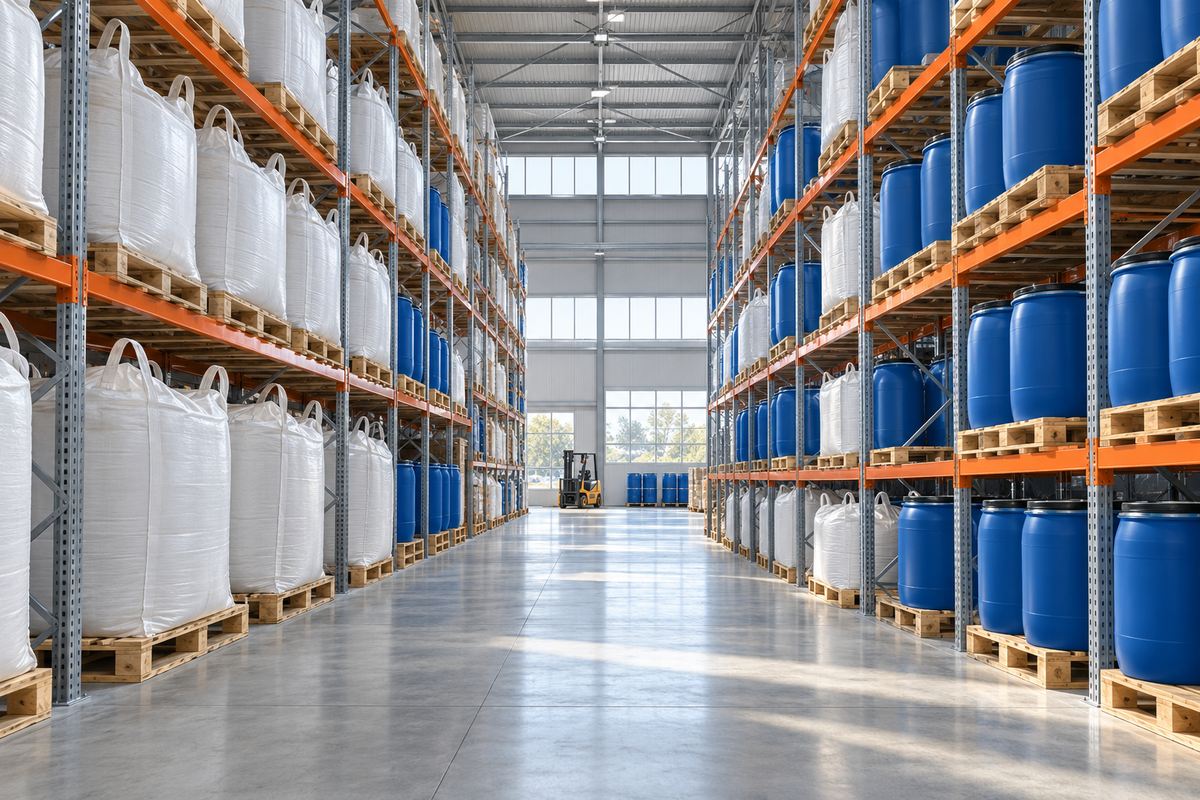
Water treatment chemicals fall into a few groups: biocides control microbial growth, antiscalants limit mineral deposits, coagulants such as poly aluminum chloride help remove suspended solids, and chlorine-based bleaching powder disinfects. The right product depends on a water analysis and the system, not on a general rule.
One water, several problems
Industrial and municipal water can cause scale, corrosion, fouling and microbial growth, often at the same time. No single chemical solves them all, so treatment programmes combine products, each with a clear job. Programmes are designed from a water analysis and the type of system: cooling circuit, boiler, membrane plant, tank or pool.
Biocides and disinfectants
Biocides control bacteria, algae and fungi that form slime and foul equipment. Oxidising agents such as chlorine compounds act quickly; non-oxidising biocides are often used alternately to avoid resistance. Our water treatment group includes Biowin, and stable bleaching powder and calcium hypochlorite are chlorine-based options. Chlorine products must be stored dry and kept away from acids, organic matter and incompatible chemicals; follow the safety data sheet.
Antiscalants
Scale forms when dissolved salts such as calcium carbonate exceed their solubility, typically on heat-exchange surfaces and membranes. Antiscalants interfere with crystal growth and keep the salts dispersed. They are chosen for the dominant scale type and the system conditions. Scalewin is listed in our water treatment range.
Coagulants and bleaching powder
Coagulants neutralise the charge on fine suspended particles so they clump and settle or filter out. Poly aluminum chloride (PAC) is widely used because it works over a broad pH range and handles variable raw water. Stable bleaching powder provides available chlorine for disinfection and is easy to store. Bleachwin is also part of the group. Ask for the technical data sheet of each product before comparing.
How to choose and what to send us
- The type of system and where the water goes.
- A recent water analysis, including hardness, alkalinity, pH, TDS and microbial count if available.
- The problem you see: scale, slime, turbidity, odour or corrosion.
- Quantity, packing and delivery location.
Browse the water treatment range and the industrial chemicals. Dosing is set by the system designer or the product data sheet; handle everything according to the SDS and local regulation.
Safety and storage basics
Water treatment chemicals can be strong oxidisers, acids or alkalis, so safe handling is part of the programme from the first delivery. Read the safety data sheet for every product, train the people who handle it and keep the sheet where the product is stored.
- Store chlorine-based powders dry, cool and away from direct sun, acids and combustible material.
- Never mix different treatment chemicals unless the supplier or data sheet says it is safe.
- Use suitable protective equipment: gloves, eye protection and, where required, respiratory protection.
- Keep containers closed and labelled, and keep spill-control materials nearby.
- Dispose of empty packaging and waste according to local regulation.
Good records also help. Track the dosage the system designer specifies, the monitoring results and any changes to the programme. If a problem appears, such as new scale or cloudy water, the record shows what changed. Specify what you need clearly and ask for the data sheet of each product before it arrives on site, so storage can be prepared in advance.
When a system is new, start with the supplier data sheets and the design guidance, then fine-tune after the first weeks of monitoring. When a system is old, begin with a fresh water analysis, because the water source and the operating conditions may have changed since the programme was written. Either way, record decisions so the next engineer understands the reasoning behind each product choice.
FAQ
Can one product treat everything?
Rarely. Scale, microbes and suspended solids need different chemistries, so programmes combine products.
Why is a water analysis needed?
It shows the hardness, alkalinity and contaminants that decide which product and programme suit your system.
Is bleaching powder safe to store?
Store it dry, cool and separate from acids and organic materials, and follow the safety data sheet.
Can you supply the technical data sheets?
Ask when you send your inquiry and we will advise on the documents available for each product.
Need a water treatment product? send us your inquiry with your system details and quantities.
Read next
 Detergent Raw Materials: Thickeners and ChelatorsA detergent is more than surfactant. Here is what thickeners, chelators, pH adjusters and preservatives add to a cleaning formula.
 Vitamin and Nutraceutical Raw Materials ChecklistVitamins and probiotics are sensitive ingredients. This guide lists what formulators verify before they approve a raw material.
 QC Lab Consumables Checklist and Purchasing TipsRunning out of a small item can stop a whole test run. Use this checklist and consolidate your lab purchasing.
Need this material?
Send your list and quantities — we reply with a written quotation.