Choosing a Preservative: Parabens vs Benzoates vs BHT
Antimicrobial preservatives and antioxidants do different jobs. Compare parabens, benzoates, BHA, BHT and TBHQ and learn how to shortlist for your product.
· UniPharma
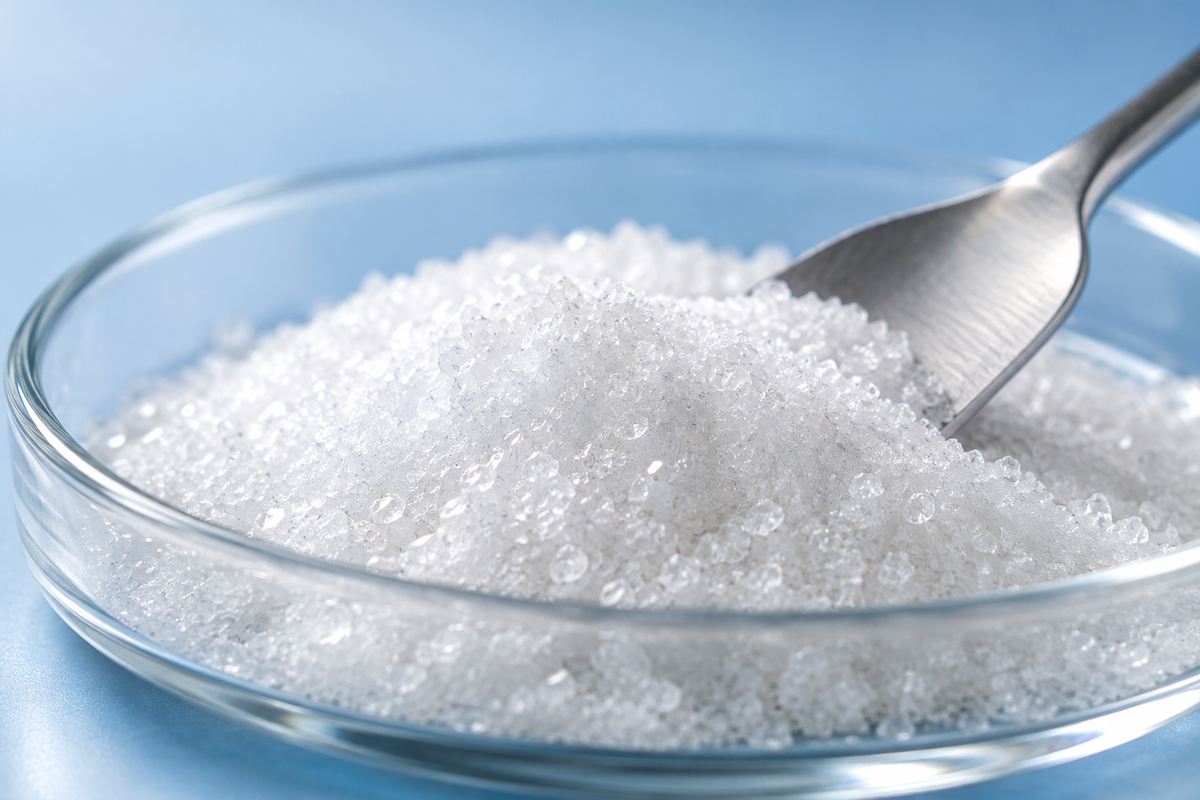
Parabens and benzoates are antimicrobial preservatives, while BHA, BHT, TBHQ and propyl gallate are antioxidants that slow the oxidation of fats and oils. Choose by product type, pH, phase and the regulation of your market, and always confirm permitted use and limits in the applicable regulation.
Two different problems, two different families
People often say preservative for everything, but there are two separate risks. Microbial growth spoils water-containing products such as syrups, creams and lotions. Oxidation turns fats and oils rancid and degrades sensitive actives. Antimicrobial preservatives address the first; antioxidants address the second. Some products need both.
Parabens
Methyl, propyl and butyl paraben are esters of para-hydroxybenzoic acid and have long been used in pharmaceutical, cosmetic and some food products. Longer chains are generally more active against microbes but less water soluble, which is why methyl and propyl are often combined. Sodium methyl and sodium propyl paraben are the more water-soluble salt forms. Parabens work across a fairly broad pH range, but they can interact with some non-ionic surfactants such as polysorbates, which reduces the free fraction available. Their permitted use is regulated and differs between markets, so check yours.
Benzoates and benzyl derivatives
Sodium benzoate and benzoic acid are classic preservatives for acidic products. Their activity depends on the acid form, which dominates at low pH, so they suit products that are formulated on the acidic side and are less effective in neutral systems. Benzyl alcohol and benzyl benzoate are also used in pharmaceutical and cosmetic formulations, with benzyl alcohol acting as a preservative and solvent. See our preservatives range.
Antioxidants: BHA, BHT, TBHQ and propyl gallate
These phenolic antioxidants interrupt the radical chain reactions that oxidise fats, oils and fat-soluble actives. They do not kill microbes. BHA and BHT are frequently used together, TBHQ is common in edible-oil applications, and propyl gallate is another option. L-ascorbyl palmitate is a fat-soluble form of vitamin C listed under our food and nutraceutical materials. Permitted levels and food categories are set by regulation, so defer to the rules of your target market.
A simple shortlisting method
- Define the product type: oral, topical, cosmetic, food, feed.
- Note the pH, the water content and whether oil and water phases are present.
- Check compatibility with surfactants, polymers and packaging.
- Confirm the permitted use in the applicable regulation for your market.
- Validate the final system with a preservative efficacy test where required.
Preservative choice always ends in laboratory validation, not on a data sheet.
Where each family is typically used
Matching the family to the product type narrows the choice quickly. Oral liquids and syrups commonly use parabens or benzoates, depending on pH. Creams and lotions often combine two parabens or a paraben with another agent, because the oil and water phases both need protection. Oils, fats and fat-containing powders rely on antioxidants such as BHA, BHT, TBHQ or propyl gallate, and some formulators pair them with a fat-soluble vitamin C derivative.
Sodium benzoate is also used in acidic cleaning and household products, while benzyl alcohol has a role as a solvent as well as a preservative.
- Water-based, near-neutral products: consider parabens or a mixed system.
- Acidic beverages and syrups: benzoates are a classic option.
- Oils and fatty materials: antioxidants rather than antimicrobials.
- Products with polysorbates or other non-ionic surfactants: test for interaction.
These are starting points only. The final answer comes from regulation, compatibility and a challenge test of your own formula, and the supplier safety data sheet explains how to handle each powder safely.
It also helps to keep the final system as simple as it can be while still passing validation. Fewer preservatives mean fewer interactions, fewer documents to maintain and fewer questions at registration. Review the choice whenever the formula, the packaging or the target market changes, because a system that worked yesterday is not guaranteed to satisfy tomorrow’s rules.
FAQ
Are parabens and benzoates interchangeable?
No. They differ in pH range, solubility and interactions, and regulations treat them differently by product type.
Do antioxidants replace preservatives?
No. Antioxidants slow oxidation; they do not control microbes. A water-containing product still needs antimicrobial protection.
What limit can I use?
Limits are set by the regulation that applies to your product and market. Follow that regulation and the supplier safety data sheet.
Can you supply several preservatives together?
Yes, list the items and quantities in one inquiry and we will quote them together.
Need to compare grades or request a quotation? send us your inquiry and tell us the product and market.
Read next
 Detergent Raw Materials: Thickeners and ChelatorsA detergent is more than surfactant. Here is what thickeners, chelators, pH adjusters and preservatives add to a cleaning formula.Vitamin and Nutraceutical Raw Materials ChecklistVitamins and probiotics are sensitive ingredients. This guide lists what formulators verify before they approve a raw material.
 Water Treatment Chemicals: Biocides, Antiscalants, PACWater treatment chemicals each solve a different problem. This overview explains biocides, antiscalants, coagulants and bleaching powder.
Need this material?
Send your list and quantities — we reply with a written quotation.